
Finance
Fractional CFO: Responsibilities, Costs, and How to Choose the Right One for Your Startup
How much does a fractional CFO really cost, and when is this model a better option than an interim CFO or controller? The comparison guide for startups and scaleups, featuring cost estimates, selection criteria, and FAQs.
14.08.2026
A full-time CFO costs more than your current growth can support—but you still need someone who understands investors, plans cash flow, and prepares funding rounds? A fractional CFO fills exactly that gap. This guide explains what this model costs in the DACH market, how it differs from an interim CFO, a controller, and an accounting department, and how to find the right one.
Fractional CFO: A Brief Explanation of the Role and Responsibilities
A fractional CFO is an experienced finance executive who, on a part-time basis—usually for a few days or hours per month—takes on strategic financial responsibility for your company without being a full-time employee. You can find a detailed definition, as well as the typical skills and areas of responsibility, in our fractional CFO glossary entry.
Typical responsibilities include investor reporting and fundraising preparation, developing KPI frameworks and forecasting models, cash flow planning, and providing strategic guidance to the founding team on financial decisions. Unlike a controller or the accounting department, a fractional CFO is not responsible for day-to-day bookkeeping, but rather for the strategic interpretation of the numbers.
How much does a fractional CFO cost in Germany, Austria, and Switzerland?
At torq.partners, a fractional CFO is billed based on actual hours worked, not through a flat-rate retainer. With a typical time commitment of 10 to 20 hours per month and an hourly rate of 150 to 220 euros, the monthly costs for a fractional CFO usually range from 1,500 to 4,400 euros, depending on the scope of work and the CFO’s level of experience. This way, you only pay for what you actually need, and the scope can be adjusted month by month.
Hourly rate: Depending on experience level, approximately 150 to 220 euros per hour. Typical time commitment: Many startups get by with about 10 to 20 hours per month—for tasks such as investor reporting, forecasting reviews, and brainstorming with the founding team. Demand increases temporarily before a funding round or during particularly busy periods. By comparison: A full-time CFO in Germany can easily cost between 150,000 and 250,000 euros per year, including salary, bonuses, and benefits—and often more in Munich or Zurich. A flat-rate retainer model, as is common in the market, typically ranges from 2,500 to 15,000 euros per month.
The advantage of hourly billing: You pay exactly for the time spent on your current phase, rather than purchasing a fixed package that’s sometimes too small and sometimes too large.
A red flag when reviewing rates: If the hourly rate is significantly below 150 euros, the role is more likely to involve accounting or controlling support than strategic CFO work at the C-level. You can find more information about responsibilities and distinctions in our Interim CFO glossary entry.
Part-Time CFO vs. Interim CFO vs. Controller vs. Accounting
These four roles are often used interchangeably in the marketplace, even though they are clearly distinct. The overview shows duration of service, responsibilities, and typical situations:
Fractional CFO: Part-time, long-term position. Compensation at torq.partners: 150 to 220 euros per hour, typically 1,500 to 4,400 euros per month. Responsibilities: strategic financial management, forecasting, investor communications. Typical scenario: a growing company without the budget for a full-time CFO.
Interim CFO: Full-time, fixed-term position. Compensation: Market rate of approximately 175 to 310 euros per hour. Responsibilities: Full operational management of the finance department. Typical situations: Sudden departure of the CFO, crisis, restructuring.
Controller: Usually full-time or part-time, permanent position. Responsibilities: Accuracy of the books, monthly financial statements, internal reporting. Typical scenario: The numbers add up, but there’s a lack of strategic context.
Accounting: Full-time, permanent. Responsibilities: day-to-day bookkeeping, processing documents, and reconciliation. Typical tasks: day-to-day financial administration.
Rule of thumb: If you need your books in order, bring in an accounting or controlling professional. If you need full operational management for a limited time, an interim CFO is the right choice. If you need strategic financial management on a long-term basis but not full-time, a fractional CFO is the right choice.
Advantages and Limitations of the Fractional CFO Model
A fractional CFO offers clear advantages, but this model isn't suitable for every situation.
Benefits
- Cost-effective compared to a full-time hire, because you only pay for the actual time worked.
- Immediate access to experience gained across multiple companies and funding rounds, rather than a training period.
- A flexible time allocation that can be scaled up or down as the company grows.
- An outside perspective on financial processes that internal teams often overlook.
Borders
- Less involvement in day-to-day operations: A fractional CFO is not constantly available like a full-time hire.
- Less suitable when daily operational finance management involving full team management is required.
- The learning curve for systems and team dynamics isn't zero, even with experience—the first few weeks always involve some friction.
- As the finance team continues to grow rapidly, the transition to a full-time position will eventually make sense.
Part-Time CFO by Growth Stage: When the Impact Is Greatest
The value of a fractional CFO changes depending on your company’s stage of growth. The situations that prompt the need for one vary significantly:
Seed and Pre-Seed Phases: The first robust financial model is developed, and a reporting schedule and understanding of key metrics (burn rate, runway) are established, often involving just a few days each month.
Before a funding round (Series A/B): Investor reporting, data room preparation, and a robust financial projection are the top priorities. The time required increases significantly in the short term.
Scale-up phase with a growing team: The fractional CFO establishes finance processes and tools and prepares for the transition to an in-house finance organization, rather than leading it on a permanent basis.
Before an exit or M&A process: Accurate financials and a well-organized data room become prerequisites—this is where the financial discipline established early on pays off the most.
Across all phases, the following applies: The closer a milestone involving an external review—by an investor, bank, or buyer—approaches, the greater the short-term impact an experienced fractional CFO can have.
How to Find the Right Fractional CFO
Not everyone who calls themselves a "fractional CFO" actually has CFO experience. Before making a decision, check the following:
- Demonstrable experience as a full-time CFO, in investment, or in a comparable finance leadership role—not merely as a consultant without operational responsibility.
- Experience with your company's stage (Seed, Series A, Scale-up) and your business model.
- Clear communication about timeframes, deliverables, and response times, rather than vague promises.
- References from similar fundraising or growth situations.
- Chemistry in the Initial Meeting: A fractional CFO works closely with the founding team and investors. Technical expertise alone is not enough.
Frequently Asked Questions About Fractional CFOs
How much does a fractional CFO cost per month?
Attorq.partners, the cost of a fractional CFO depends on the number of hours worked and the level of experience. While flat-rate retainer models ranging from 2,500 to 15,000 euros per month are common in the market, torq.partners instead bills based on actual hours worked.
At what company size does it make sense to hire a fractional CFO?
Usually once fundraising, cash flow complexity, or investor reporting become too much for the founding team to handle—often when revenue reaches several million euros or shortly before a major funding round, regardless of the number of full-time employees.
Can a fractional CFO also assist with fundraising?
Yes, investor reporting, pitch deck figures, and data room preparation are among the most common tasks, especially ahead of Series A and Series B rounds.
How quickly can a fractional CFO start working?
Much faster than a full-time hire—often within days to a few weeks—since no traditional recruiting process is required.
Does a fractional CFO replace the accounting department?
No. A fractional CFO handles strategic financial management, not day-to-day bookkeeping or invoice processing. These tasks remain the responsibility of the in-house accounting team or tax advisory firm—alternatively, you can outsource your bookkeeping.
Conclusion
The decision to hire a fractional CFO is rarely a matter of “good or bad,” but rather of “does this model fit my current situation?” When you understand the costs, role definitions, and selection criteria, you can negotiate with greater confidence and make your choice based on your company’s current stage of growth rather than on a gut feeling.
Want to know if a fractional CFO is right for your current situation and what it would cost exactly? Schedule a no-obligation consultation with torq.partners, and together we’ll figure out which model best supports your growth.
Contents
Interim Support
Does your finance team need help?
Book a no-obligation initial consultation now.
Schedule a call
free download
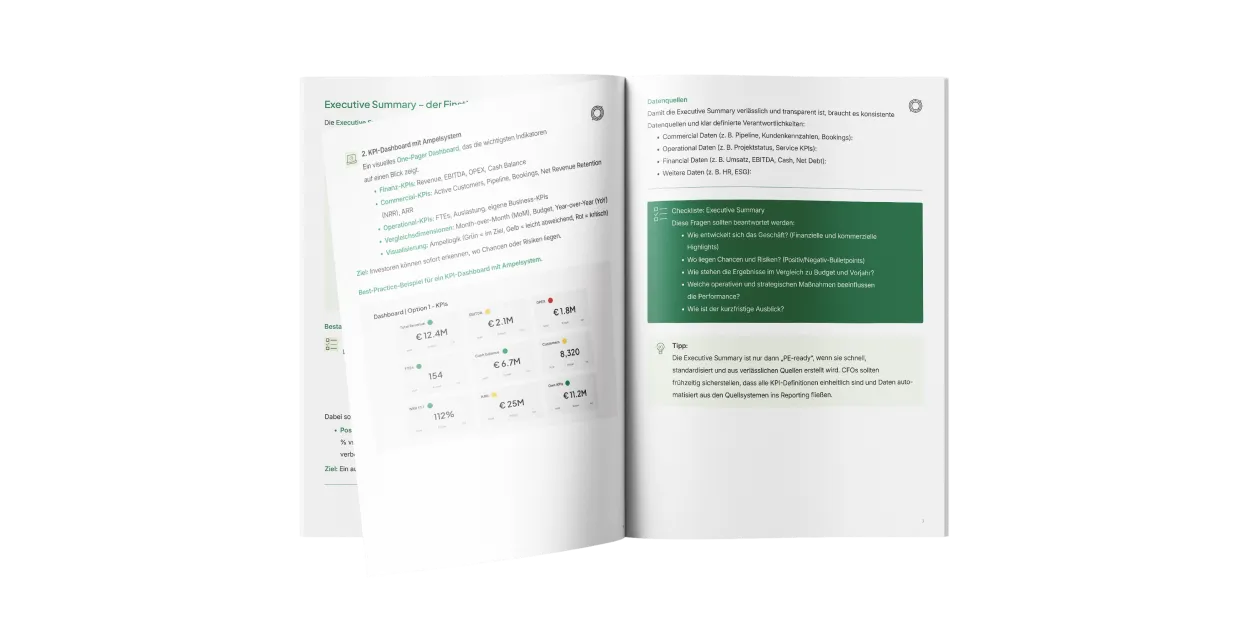
Investor Reporting at the Private Equity Level
Do's and Don'ts, Best-Practice Framework, and Checklist for Professional Investor Reporting at the PE Level. Free for CFOs and finance teams.
To Download →
podcast
How much AI can your finance team handle?
Just how much does the level of AI maturity among finance teams actually vary in Germany, France, and the UK?
Listen on Spotify →

More Articles

Investor Readiness
How Does Financial Due Diligence Work? A Step-by-Step Guide to the Process
Red Flag or Full Scope? Drawing on over 100 financial due diligence (FDD) reviews since 2022, we show what’s actually examined in a financial due diligence process and how it works. The guide for founders and investors before their next deal.
10.08.2026


Finance
External CFO vs. Interim CFO: Which CFO Solution Is Right for Which Growth Stage?
Series A funding round, delayed closings, sudden CFO resignation: Three situations, three solutions. The difference between an external CFO and an interim CFO lies not in their expertise, but in their mandate—strategic guidance or operational leadership.
17.07.2026